Updates from WV Rivers Coalition
June 2026
Taking a Summer Break
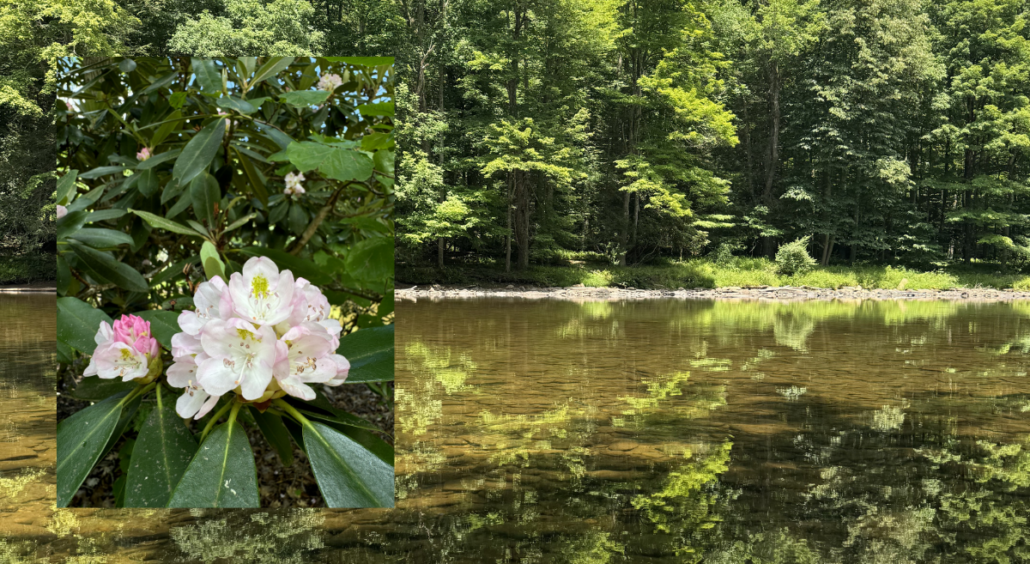
The Shavers Fork in June and the rhododendrons that grow along it’s banks.
As we reach the halfway point of the year, our team is taking a well-deserved collective break.
The West Virginia Rivers Coalition office will be closed June 29 through July 3 and will resume usual operations on Monday, July 6. This annual summer closure gives our staff an opportunity to rest, recharge, and spend time with family and friends before returning to the important work of protecting West Virginia’s rivers and streams.
Thank you for being part of our community and supporting our mission. We wish you a safe, happy, and relaxing Fourth of July, and we look forward to reconnecting with you in July.
By June 30: Tell DEP to Strengthen the Lower Guyandotte Stream Cleanup Plan
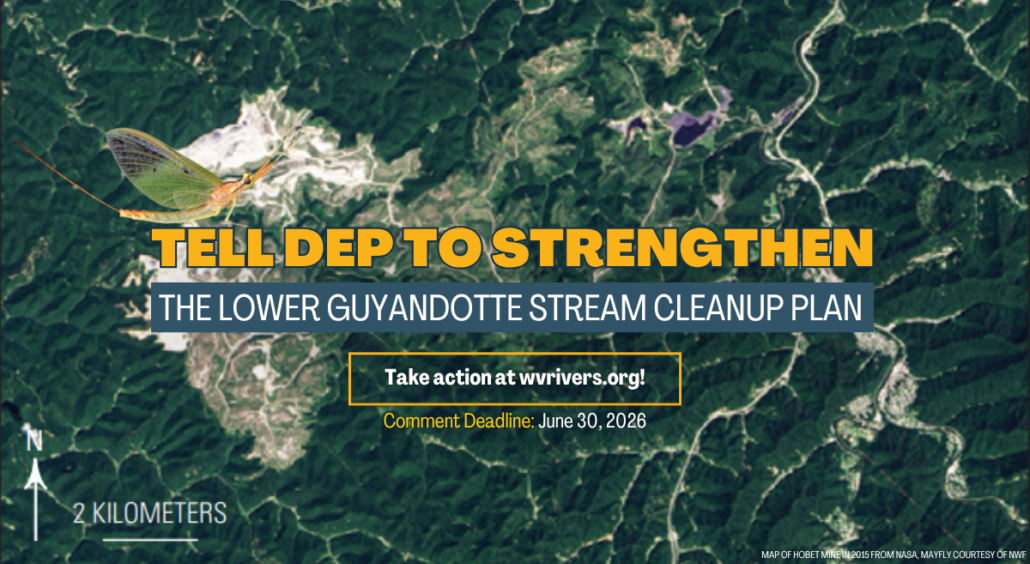
NASA satellite image of the Hobet 21 Coal Mine in the Lower Guyandotte River Basin, one of the largest mountaintop removal mining sites in West Virginia. Also pictured courtesy of National Wildlife Federation: a mayfly, an aquatic insect that can be harmed by ionic pollution from mining and serves as an indicator of stream health.
For decades, streams across the Lower Guyandotte watershed have been polluted by ionic toxicity from coal mining. When too many dissolved pollutants enter a stream, aquatic life like the Mayfly can struggle to survive.
In 2024, WV Rivers and our partners won a court case requiring the West Virginia Department of Environmental Protection (DEP) to create a cleanup plan for this pollution. Now DEP has drafted a plan to limit ionic toxicity with Total Maximum Daily Load (TMDLs) as required by the Clean Water Act.
It is now open for public comment, and unfortunately the draft plan falls short.
Instead of using the best available science, the plan undercuts biological recovery by weakening the criteria used to set the goals. That makes it easier for polluters to avoid accountability.
Why This Matters: Healthy streams support mayflies, fish, salamanders, and countless other species that form the foundation of West Virginia’s rivers and creeks. Scientists have long documented that mining-related ionic pollution harms aquatic life in Appalachian streams. When sensitive species disappear, entire stream ecosystems suffer.
This is our chance to make sure DEP creates a cleanup plan that actually works.
Tell DEP to Strengthen the Plan! Learn more and take action at this link.
Celebrating Pride on the Greenbrier
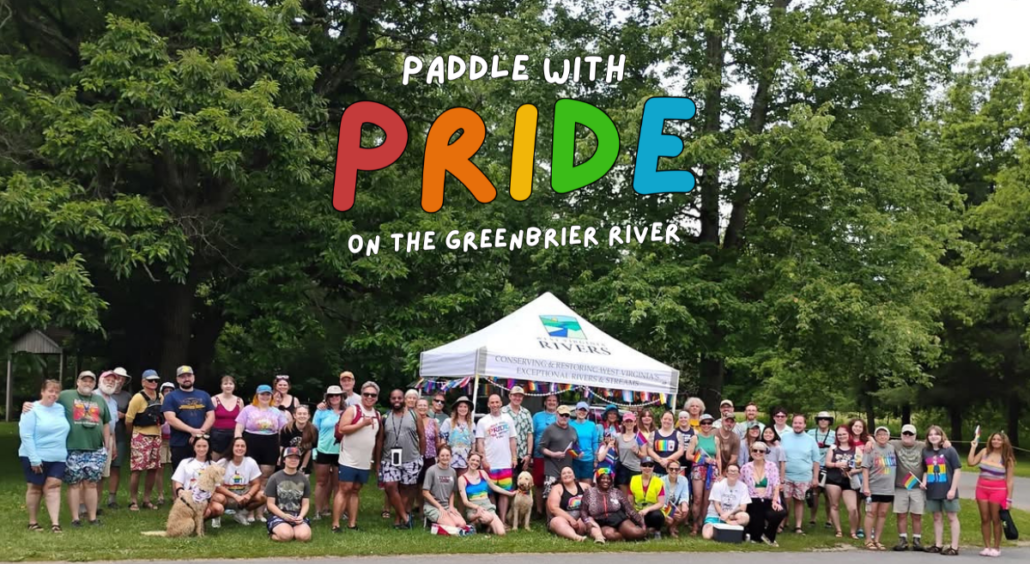
What a turnout! Thank you to all who joined us for our first ever Paddle with Pride on the Greenbrier River.
More than 65 paddlers joined us on the Greenbrier River for our first Paddle with Pride, including many people experiencing the river by kayak for the very first time.
Events like this remind us that everyone deserves to feel welcome on West Virginia’s rivers. Getting people on the river is one of the best ways we can protect our water resources. People who spend time outside — building real connections to beloved places like the Greenbrier River — are often the ones most willing to stand up and protect them.
We’re incredibly grateful to our partners at Greenbrier Valley Pride and the Greenbrier River Watershed Association, along with our sponsors and local outfitters, whose support made the day possible.
We couldn’t have done it without the crew at New River Gorge Outfitters who brought boats and ran shuttle for us from Caldwell to Ronceverte, or River City Bikes & River Adventures who brought out their fleet, too! After the float, we gathered at The Sportsman Tavern in Ronceverte where we hosted a karaoke after party.
Thank you to everyone who paddled, volunteered, and celebrated with us. Happy Pride Month!
Major Legal Victory Against Chemours
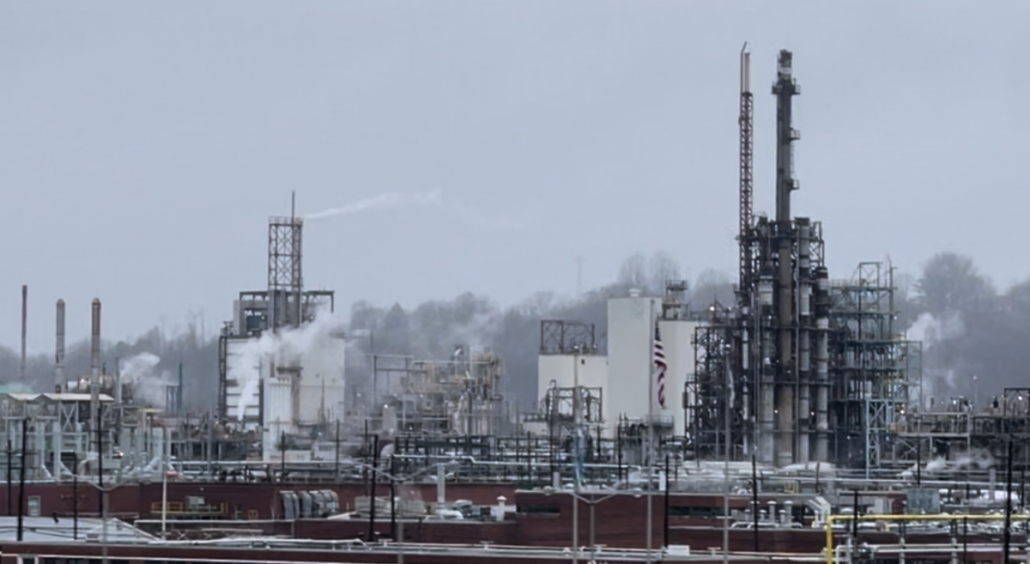
The Chemours Washington Works facility in Wood County, WV
After years of advocacy, we’re celebrating a major step forward for clean water.
A proposed federal Consent Decree would resolve longstanding violations of the Clean Water Act by Chemours at its Washington Works facility, including unlawful discharges of the PFAS “forever chemical” GenX into the Ohio River.
If approved by the court, the agreement requires Chemours to significantly reduce PFAS pollution through treatment upgrades, invest up to $90 million in additional infrastructure improvements over the next 15 years, and pay $22.5 million in civil penalties. It also strengthens drinking water treatment for downstream communities, including the Lubeck Public Service District.
This outcome builds directly on WV Rivers Coalition’s Clean Water Act citizen suit, which successfully secured a preliminary injunction requiring Chemours to begin complying with its permit while the case moved forward.
We’re deeply grateful to our legal partners at Appalachian Mountain Advocates and Public Justice, whose dedication helped make this outcome possible.
Read reporting from Ken Ward with Mountain State Spotlight on the legal update here.
New Study Highlights Risks to Charleston’s Drinking Water
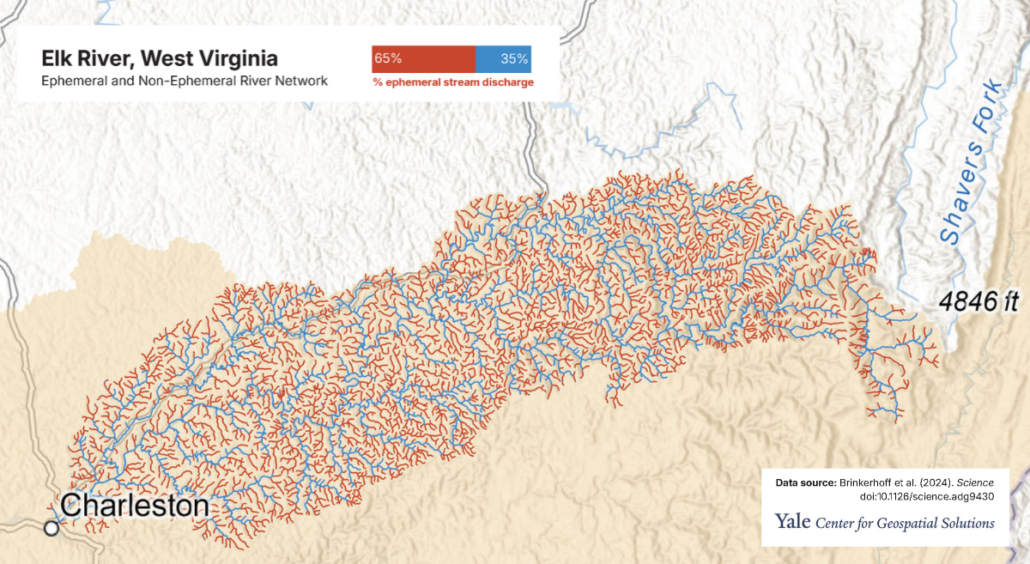
This analysis integrates hydrology models, theory, and field data to quantify the percentage of total river flow contributed by upstream ephemeral streams under annual average conditions. Results were extracted for watersheds that serve as drinking water sources. As with all large-scale models designed to simulate broad trends, inherent uncertainties exist; results should be interpreted with caution, particularly for smaller watersheds.
A new analysis by researchers at Yale University and the University of Massachusetts found that 65% of Charleston’s drinking water supply comes from streams that no longer receive federal Clean Water Act protections.
Following a 2023 Supreme Court decision, many small headwater streams including streams that only flow after rain or snowmelt — lost federal protections despite their critical role in supplying clean drinking water downstream.
For mountain communities like ours, these small streams are anything but insignificant. They feed larger rivers, filter pollution, and help protect drinking water before it ever reaches a treatment plant.
The findings come as EPA considers additional changes that could further reduce protections for streams and wetlands across West Virginia. At the same time, our state’s aging drinking water infrastructure continues to face enormous challenges. We hope you will remain engaged as WV Rivers advocates for solutions to these systemic issues.
Deputy Director Autumn Crowe said in a release, “It’s much cheaper to protect these streams from pollution at the source, rather than trying to make the water safe through high-cost treatment methods. As we continue to seek funding for long-overdue water infrastructure improvements, we shouldn’t abandon headwater stream protections that provide clean water to downstream communities.”
Reflecting on 10 Years Since the 2016 Floods
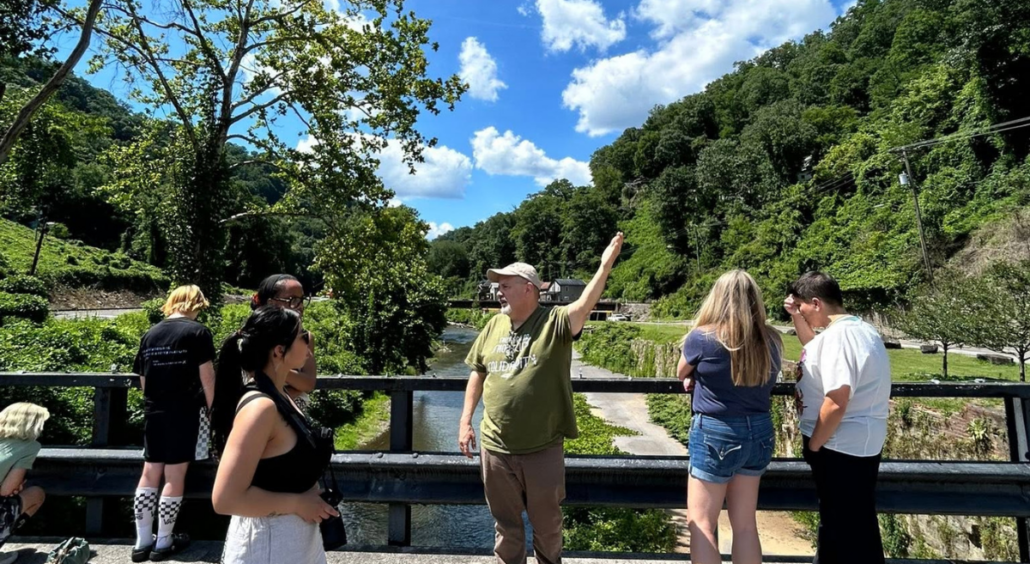
Brad Davis speaks to the Rebuild by Design and WV Rivers teams during our visit to McDowell County this week to see flood impacts.
This month marked ten years since the devastating 2016 floods that forever changed many West Virginia communities.
As we reflected on that anniversary, our team traveled to southern West Virginia to meet with residents still recovering from the February 2025 floods and to continue conversations about what real flood resiliency looks like.
Tragically, while we were there, another round of severe flooding struck Boone, Logan, and Raleigh counties, prompting a State of Emergency and serving as a painful reminder that flooding events are becoming an increasingly common reality for many West Virginians.
We’re grateful to Brad Davis with From Below: Rising Together for Coalfield Justice, Rebuild by Design, Latin Appalachian, and so many local leaders who continue to demonstrate what community resilience and mutual aid look like in action.
As Brad’s shirt read that day: “There are no shortcuts to solidarity.”
In the days and months ahead, we’ll continue working alongside communities and partners to advocate for long-term flood resilience while lifting up those responding to immediate recovery efforts.
Thank you to everyone who has and continues to step up to help neighbors in need.
Could You Help Us Reach 50 New Members?
This month’s stories show what’s possible when people come together — from holding polluters accountable and protecting drinking water to building resilient communities and celebrating our community on our beloved rivers.
We’re working to welcome 50 new members by the end of June, and we’re at 22 new members now. Will you donate now to help us reach our goal? If you are a current supporter, will you consider asking a friend, neighbor, or family member to make a donation, too?
Memberships powers clean water advocacy, community science, and grassroots action across West Virginia. Become a member and help protect the waters we all depend on.