Updates from WV Rivers Coalition
November 2026
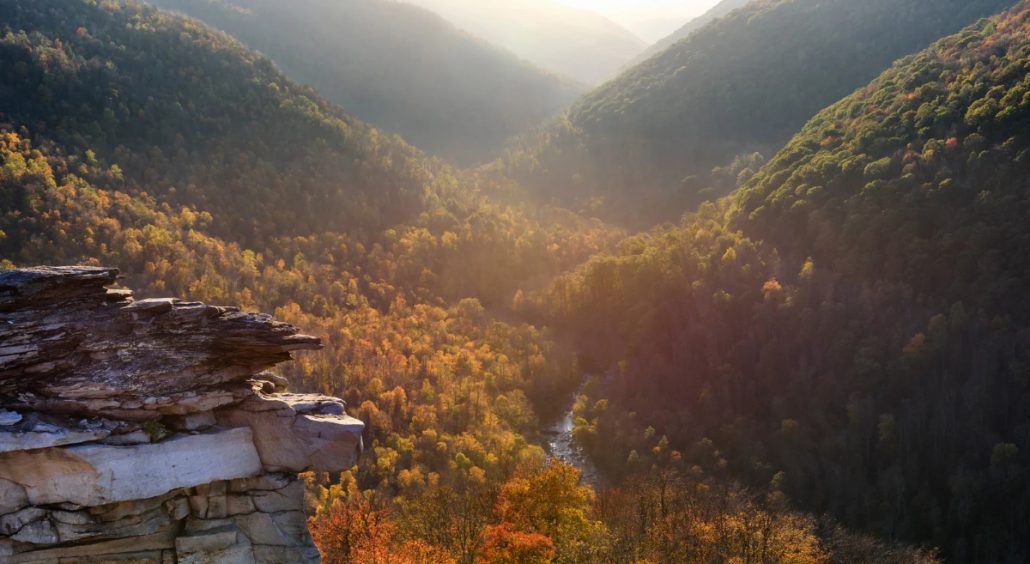
This is what we’re protecting thanks to the support of people like you.
Every day, we’re reminded that protecting West Virginia’s water takes all of us.
This month, we’re especially grateful for our growing team, the partnerships who make this work possible, the West Virginians and their communities who continue to show up for clean water and public lands, the watershed groups working to protect local streams, the technical experts volunteering their expertise, and the rivers and streams that inspire us.
We also want to recognize the 463,912 West Virginians who exercised their right to vote in this month’s midterm election. While West Virginia had the lowest voter turnout in the nation, voting remains one important way to make our voices heard and help elect leaders who reflect our values and understand the needs of the people they represent.
The people we elect make decisions that affect our water, public lands, public health, and communities.
Congratulations to everyone who won their races for public office this November! WV Rivers looks forward to working with newly and returning elected officials and serving as a resource on the issues affecting West Virginia’s lands, waters, and communities.
Remember: The people we elect make decisions that affect our water, public lands, public health, and communities!
Thank you for being part of this work, and if you casted a ballot this November, thank you for voting!
New Technical Advisory Council Brings Expertise to Water Conservation in West Virginia
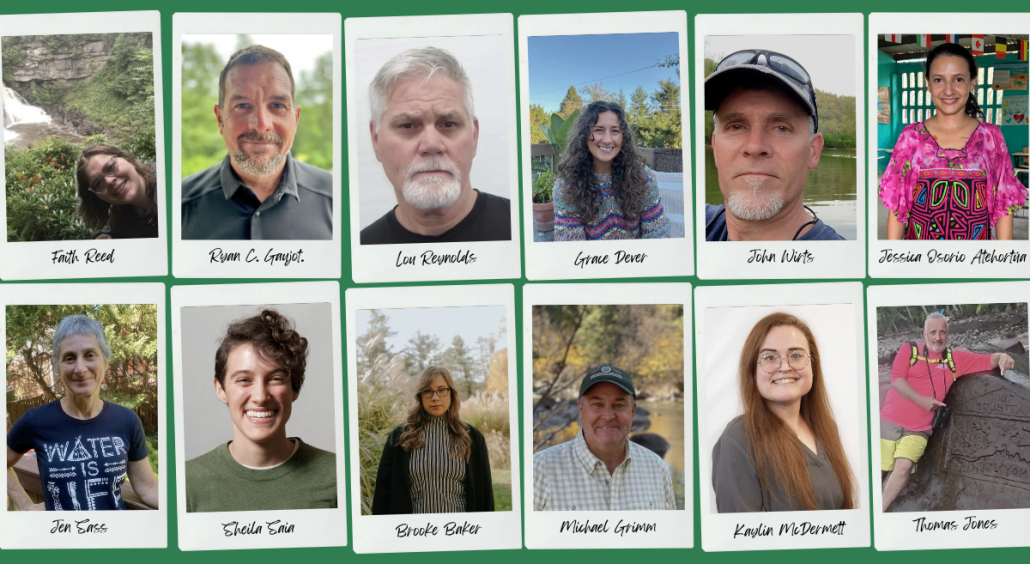
What a crew! We are so thrilled to have these scientists and technical experts in our corner as we work to achieve clean water for all in WV.
WV Rivers Coalition is strengthening our commitment to science-based water protection through the formation of a new Technical Advisory Council (TAC).
The Council brings together scientists and technical experts to help address some of West Virginia’s most pressing water-resource challenges.
From industrial development and emerging contaminants to growing water demands and threats to aquatic ecosystems, WV faces increasingly complex environmental challenges. The TAC will provide scientific review, technical guidance, and expertise to help WV Rivers evaluate these issues and strengthen our conservation efforts.
The Council includes expertise in hydrology, aquatic ecology, water quality, and related disciplines. Members serve in an advisory capacity, providing independent scientific perspectives rather than setting organizational policy.
The TAC represents an important investment in the scientific foundation of WV Rivers’ mission, helping ensure that our advocacy is informed by credible science and the best available evidence. Learn more about our Technical Advisory Council.
Welcome, Krista Dixon!

Please join us in welcoming Krista Dixon to the WV Rivers community!
We’re excited to welcome Krista Dixon to the WV Rivers team as our new Operations Manager!
A West Virginia native, Krista discovered her love for the outdoors at an early age. She brings more than nine years of nonprofit experience to WV Rivers, with a background in program management, operations, and information technology.
Krista holds a bachelor’s degree in Sociology from Fairmont State University and is passionate about supporting organizations that create meaningful impacts for communities and the environment.
In her role, Krista oversees organizational operations and supports the systems, processes, and partnerships that advance our mission to protect and restore West Virginia’s rivers and streams.
When she’s not working, Krista enjoys reading, wandering through the forest, chasing trains, and assisting with cold case research. She lives in Marion County, where she’s raising her family and managing a small business with her husband.
We’re grateful to have Krista on board and look forward to all we’ll accomplish together. Please join us in giving her a warm West Virginia welcome!
You can send her a welcome message at kdixon@wvrivers.org.
Smithers Creek Watch: Community Eyes on Cannelton’s Waterways
How local residents and partners are working toward lasting solutions
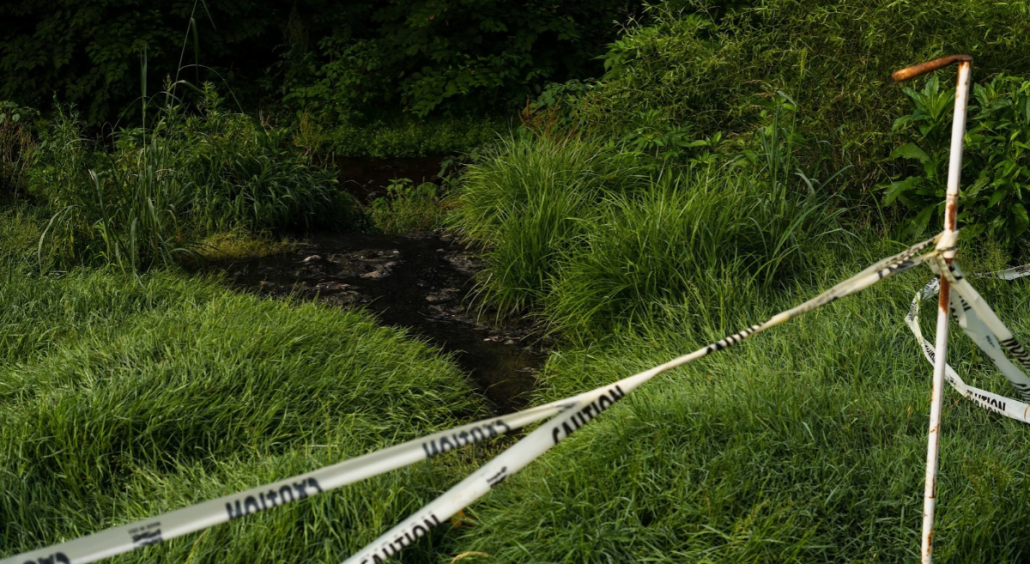
Before: Open sewage flowing from a surcharged manhole behind Carbondale Baptist Church, approximately 13 miles from Mt. Olive Correctional Complex in Fayette County. Photo taken June 2026 by Jared Hamilton.
For over four years, residents of Cannelton have lived with the consequences of the August 2022 flood that damaged miles of wastewater infrastructure, allowing sewage originating at Mt. Olive Correctional Complex to enter Smithers Creek and flow through residential properties in Cannelton.
This waste eventually reaches the Kanawha River, traveling downstream to our capital.
The experience has raised questions about infrastructure, water quality, and how communities can get the attention and information they need.
In response to ongoing concerns, Smithers and Friends established Smithers Creek Watch to give residents practical tools to document conditions in their own waterways and advocate for solutions. In partnership with West Virginia Rivers Coalition, the program distributed more than 80 at-home water screening kits containing fecal coliform presence/absence tests, free and total chlorine test strips, protective gloves, and instructions for responsible screening and reporting concerns to the Public Service Commission (PSC) and WV Department of Environmental Protection (WVDEP). By making environmental monitoring more accessible, Smithers Creek Watch helped residents turn observations into documented concerns, contributing to increased reporting and greater community involvement in addressing this crisis.
WV Rivers has been a foundational partner in this work. Our Community Action Mini-Grant was Smithers and Friends’ first grant, providing an early opportunity to turn community concerns into organized action.
- Maria Russo, Policy Specialist, assisted with the official community complaint letter to the WVDEP.
- Nathanial Hitt, Senior Scientist, provided expertise in designing a targeted at-home screening program.
- Scott Mandirola, Technical Advisor on Water Policy & Regulations, obtained a direct meeting and suggested interim solutions with the WVDEP.
- WV Rivers also facilitated a partnership between the Smithers Creek Watch and VA Tech researchers for intensive laboratory testing of both tap and surface water.
The experience helped the Smithers Creek Watch develop practical skills, relationships, and capacity that it has continued building on as its programs and funding have grown, and the partnership successfully amplified community voices.
Following the PSC’s October 2, 2026 approval of an interim emergency operations and maintenance agreement between Kanawha Falls Public Service District and West Virginia American Water, emergency wastewater repairs are now underway in Cannelton Hollow. Temporary pumping systems have been installed at documented problem sites to redirect wastewater around damaged infrastructure. Additional corrective measures are being pursued across the district’s service area, while the need for permanent infrastructure replacement remains.
For residents who have lived with these conditions since 2022, these developments represent meaningful progress. Yet emergency measures are not permanent solutions, and Smithers Creek Watch and its partners remain committed to community engagement, environmental awareness, and the long-term goal of clean and safe water for West Virginians.
We’re grateful to the funders whose support allows us to invest in local communities, providing grants that help West Virginians organize, speak up, and take action to protect the places they call home.
BAAJA Passes the Senate. The House Must Reject It.

Don’t let the Senate fast-track permitting! Contact members of congress today to urge them to oppose the Bipartisan American Affordability and Jobs Act.
The Bipartisan American Affordability and Jobs Act (BAAJA) has passed the U.S. Senate and will head to the House of Representatives for consideration following the Thanksgiving recess.
This is a setback for clean water and communities. The bill could weaken important environmental protections by limiting environmental review and state and Tribal authority over water quality decisions. As major infrastructure projects move forward across West Virginia, we need strong safeguards, not fewer opportunities to evaluate impacts to our water, land, and communities.
Thank you to the 291 people who have emailed and called their Senators urging them to vote NO on BAJAA. You can take the two actions using this digital tool linked.
The House still has an opportunity to stop this legislation. We’ve updated our action alert so you can contact your U.S. representative and urge them to oppose BAAJA.
Permitting reform should mean better decisions, not weaker protections. Thank you for speaking up for West Virginia’s water, public lands, and communities.
WV Watershed Network

Community Engagement Manager Carrie Decker (center) and watershed representatives at the Western Basin Gathering.
Across West Virginia, watershed groups are doing the hands-on work of protecting the rivers and streams that connect our communities. From water quality monitoring and stream cleanups to community education and local advocacy, these groups bring people together to care for the places we all call home.
This year, WV Rivers staff had the opportunity to connect with watershed leaders and community members at regional watershed gatherings across the state. These gatherings offered opportunities to share knowledge, discuss local challenges, learn from one another, and strengthen the connections that make this work possible.
Thanks to Deputy Director Autumn Crowe, Senior Scientist Nathaniel Hitt, Community Engagement Manager Carrie Decker, and Northern WV Coordinator Blake Flessas, our staff participated in gatherings across all four watershed basins.
We’re grateful to the West Virginia Watershed Network for bringing people together and to the watershed groups, volunteers, and community leaders who dedicate their time and energy to protecting our state’s waterways.
WV Rivers in the News: Charleston Gazette-Mail Features Results from Statewide Well-Water Survey

A WV resident reviews test results for his home’s well water in Clay County on July 27, 2026. Photo credit: Laura Bilson, Charleston Gazette-Mail
Recent reporting by the Charleston Gazette-Mail highlights new findings from a WV Rivers survey of private well-water across West Virginia. The study provides important new information about groundwater contamination in regions that have historically lacked systematic water-quality surveys.
Working with the Gazette-Mail, WV Rivers tested private wells for bacteria, metals, and PFAS forever chemicals. Results revealed several important water-quality concerns, including PFAS forever chemicals and evidence of oil and gas brine contamination in some locations.
WV Rivers Senior Scientist Than Hitt also presented findings from this work at the 2026 annual meeting of the Association of Mid-Atlantic Aquatic Biologists, sharing the results with scientists and water-resource professionals from across the region.
This project demonstrates the importance of combining scientific research and investigative journalism to identify threats to drinking water and public health in WV. It also highlights the need for expanded groundwater monitoring, particularly for private wells that are not routinely monitored under the federal Safe Drinking Water Act.
Read more:
Help Us Protect West Virginia’s Headwaters in the Mon Forest

Sign the petition today to advocate for a Wild and Scenic Rivers Designation for 16 waterways in the Monongahela National Forest.
West Virginia’s headwaters are worth celebrating! They provide clean drinking water, support fish and wildlife, and create places where people can fish, paddle, hike, and enjoy the outdoors.
We’re grateful for the forests, streams, and mountain waterways that make our state so special. But we also know that protecting these places takes more than appreciation. It takes action!
That’s why we’re working to build support for Wild and Scenic River designation for 16 waterways in the Monongahela National Forest.
This designation would provide lasting federal protections for eligible rivers and streams, helping safeguard their free-flowing condition, water quality, and outstanding natural, cultural, and recreational values.
These waterways are part of what makes West Virginia home. Let’s make sure they’re protected for generations to come.
Double the impact of your donation to WV Rivers Coalition

Thank you for being part of our coalition to protect waters all across the Mountain State.
Have a favorite fishing hole, paddling spot, or creek you grew up exploring? Give a little love to the water that makes West Virginia home. Now through December 31, our Board Chair Mac Thornton will match gifts to WV Rivers dollar for dollar, up to $10,000. Your gift helps protect drinking water and the places you love.