Updates from WV Rivers Coalition
January 2026
More than Halfway Through the Legislative Session
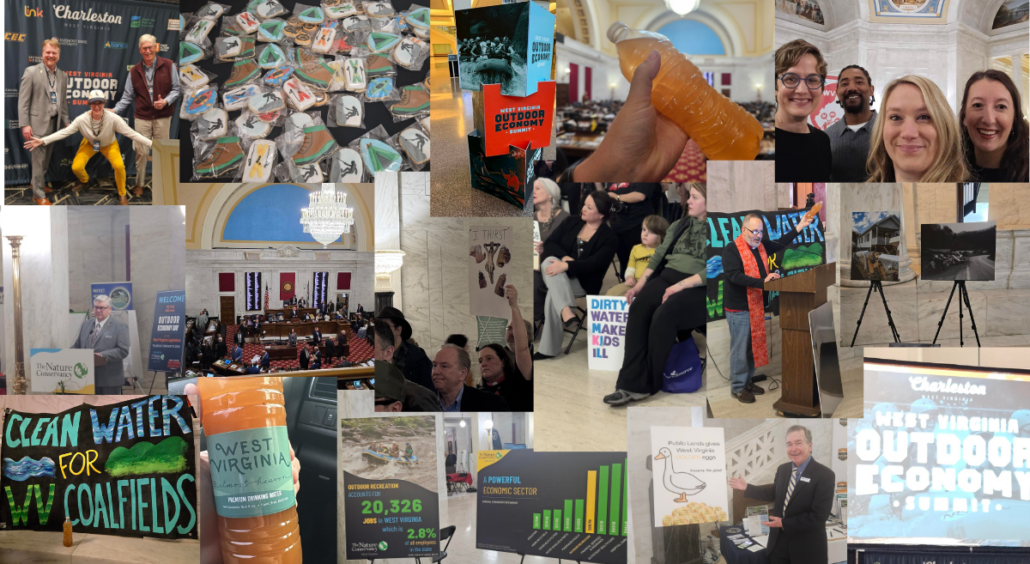
Scenes from the 2026 Legislative Session.
We’re officially past the halfway point of the 60-day West Virginia’s legislative session. Thank you for advocating with us for clean water, public lands, healthy communities, and a future where decisions reflect the needs of those most impacted.
Together, our community has already sent more than 3,072 messages to decision-makers!
From rural residents bringing bottles of contaminated water to the Capitol, to young people preparing to advocate alongside seasoned organizers, to recreation enthusiasts coming together to remind leaders that clean water and public lands are crucial to a thriving outdoor economy — this session is shaped by the voices of West Virginians who care deeply about their lands, water, and neighbors.
This session, we’ve heard lawmakers mention just how many messages they’re receiving from West Virginians, and that’s because people like you continue to speak up.
As the session continues, we need to keep the pressure on. We encourage you to continue reaching out to your state legislators and personalizing your messages through our action alert system to strengthen your impact.
Rural Health Day: Coalfield Communities Call for Safe Water
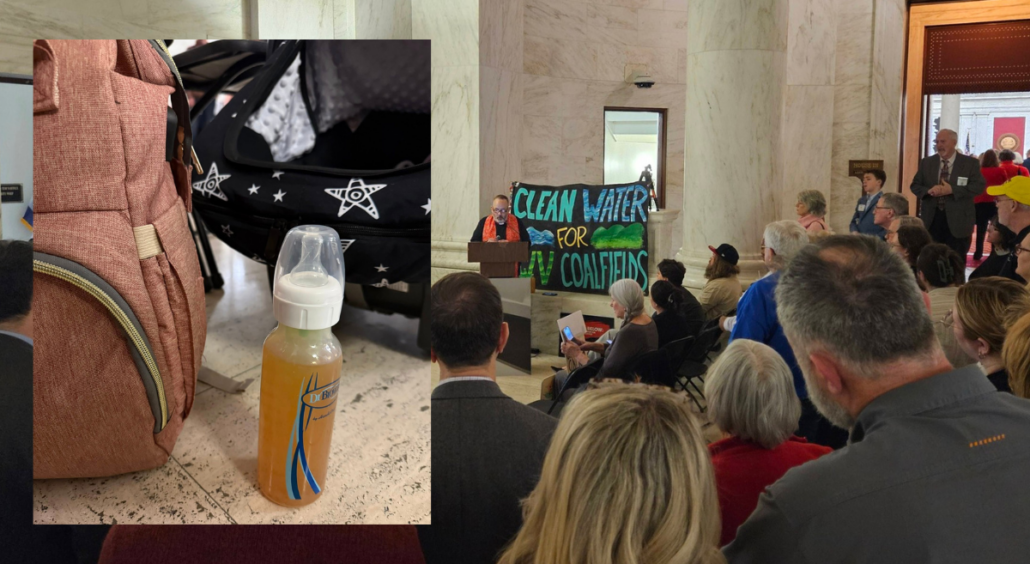
Rev. Brad Davis speaks at the Rural Rally for Safe Water, grounding our movement in both faith and responsibility.
This week, our partners and mini-grantee at From Below: Rising Together for Coalfield Justice organized the Rural Rally for Safe Water during Rural Health Day at the West Virginia State Capitol. Residents, clergy, healthcare leaders, and families gathered to elevate the critical need of communities in southern West Virginia who are without access to safe drinking water.
Outside the House of Delegates chamber, residents shared their experiences and displayed bottles of discolored tap water collected from their homes and nearby creeks. Their message was clear — clean water remains out of reach for too many families and we cannot wait for action.
Speakers included Kristin Dial, President and CEO of the Logan Healthcare Foundation, along with impacted residents Jennifer Bryant (Boone County), Katherine McGraw and Colin Ross (Fayette County), and Ashley Bunch (Raleigh County).
One photo from the rally is especially powerful: a baby bottle filled with tap water from McDowell County. It is not formula — it is the water that flows from a family’s faucet. Water that families pay for. Water that has run black, brown, orange, or clear but foul-smelling. The child did not drink it. That is precisely the point. If water isn’t safe for a baby, it isn’t safe for anyone.
Decades of coal mining, methane extraction, and underinvestment in infrastructure have left many communities without dependable drinking water systems. Aging pipes, contamination concerns, and chronic funding gaps continue to strain already vulnerable areas.
House Bill 5525 — the Southern West Virginia Clean Water Fund Act — has been introduced as a step toward addressing the crisis. While it proposes funding, community leaders emphasize that the scale of investment must reflect the scale of the urgent need. This bill is currently being reworked, but returning this legislation back to the House Energy & Public Works agenda for markup and passage to the House is an important next step.
Additionally, House Bill 5585 was introduced with the intent to change the use of the Revenue Shortfall Reserve Funds (“The Rainy Day Fund”) to be used towards public health emergencies, in addition to its current uses. Community leaders are calling for House Energy & Public Works Committee to place the bill on its agenda and move it forward.
We’re now approaching a critical deadline for bills to move out of their chamber of origin, with Crossover Day coming up on March 4.
Clean water is fundamental to public health, economic stability, and community wellbeing. These conversations aren’t abstract policy debates — they represent real families, real costs, and real consequences.
To add a public comment on these bills, visit the bill status page on the West Virginia Legislature’s website. Then, enter the bill number and click “submit.” This will populate information about the legislation for your review, if of interest. (You can also click the links above!)
Next, click the button that says “Add a public comment to this bill.” From there, you can submit a brief message urging leaders to take action for water for Southern WV.
We’ll continue working alongside partners and residents to ensure leaders understand the urgency of safe, reliable water for every West Virginian.
Data Center Bill Moves to Senate — Water Protections Still Needed
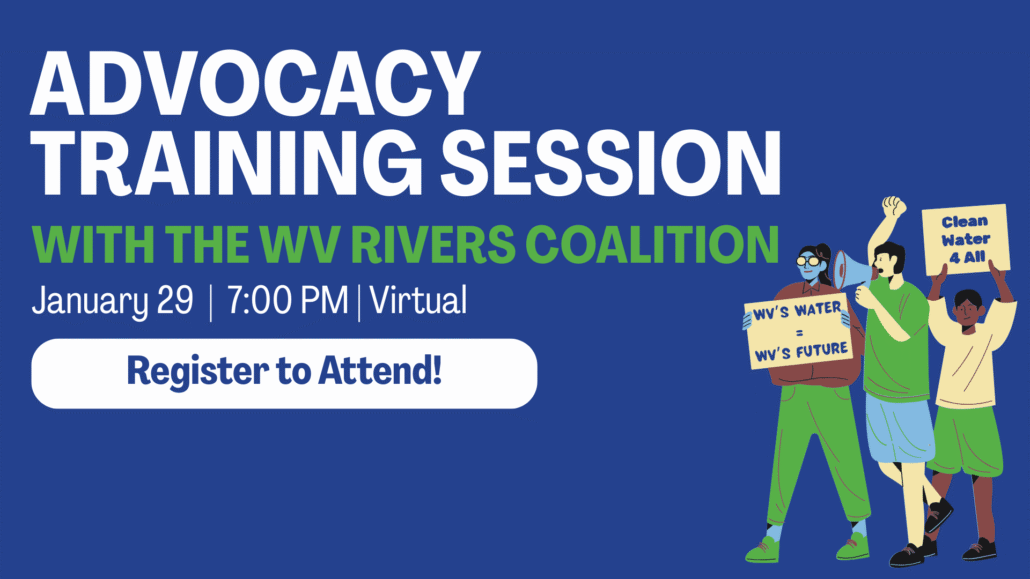
Take action with WV Rivers and contact leaders in the Senate Judiciary Committee now!
Water is a shared resource, one that is essential for communities, farmers, businesses, and ecosystems alike.
House Bill 4983, which establishes certification rules for data centers in West Virginia, has now passed out of the House and is heading to the Senate Judiciary committee. During debate on the House floor, lawmakers considered amendments requiring basic water-use transparency — including how much water facilities would use and where that water would come from. Despite bipartisan discussion and support, these commonsense protections failed.
Moving forward without clear safeguards for water quantity and long-term availability puts communities and our environment at risk.
Members of the Senate Judiciary Committee now have an opportunity to strengthen the bill and ensure economic development does not come at the expense of West Virginia’s most precious resource.
Join Us at the Capitol: E-Day & Black Policy Day
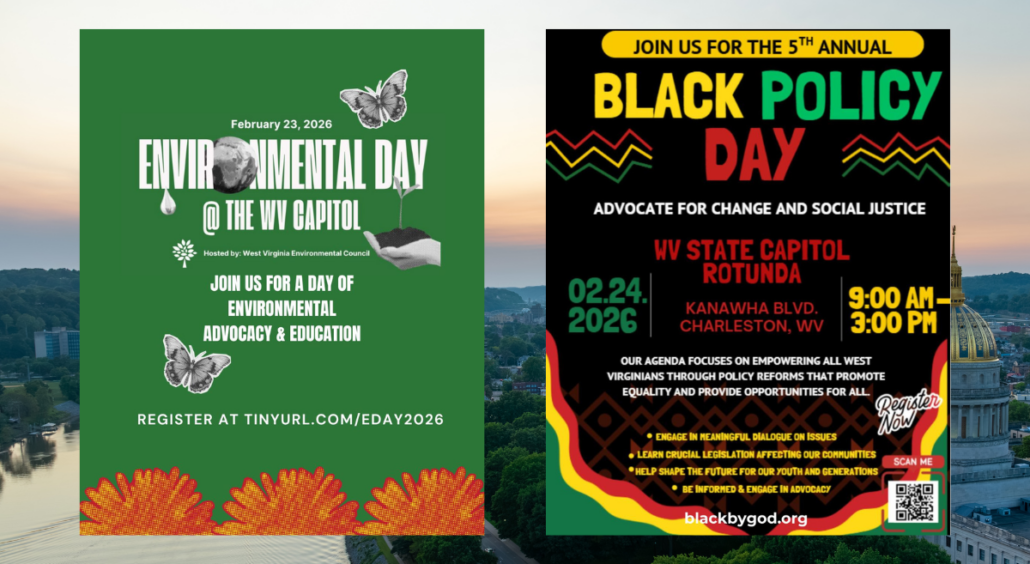
We’re gearing up for E-Day and Black Policy Day at the Capitol — two opportunities to show up for clean water, healthy communities, and policies that put people first.
Advocacy matters and showing up together makes a difference, but we understand how challenging it is for residents from across the state to make a trip to Charleston to meet with their leaders at the Capitol.
To help make participation more accessible, WV Rivers is offering travel and meal reimbursements for those who attend the following advocacy days with us:
- Environmental Day: Monday, February 23
- Black Policy Day: Tuesday, February 24
To get your reimbursement, complete this form by submitting your mileage and receipts + send us a selfie at the Capitol!
Lawmakers need to hear directly from the people their decisions affect. If you’ve been thinking about getting involved, this is a great place to start.
Bills We’re Tracking Closely
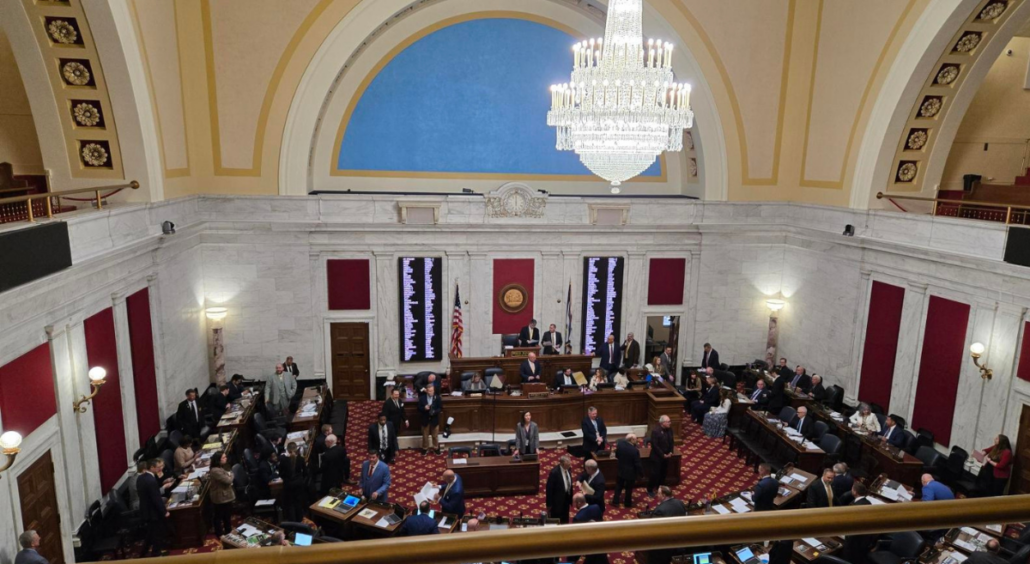
This is where decisions are made about our water, our public lands, and our communities. The bills we’re tracking this session will shape how protected — or how vulnerable — West Virginia’s public lands, streams, and drinking water systems will be for years to come.
The legislative session can move quickly, and several proposals we are watching could significantly impact water resources and community health
- Drinking Water System Investment (In Southern WV and Statewide)
- HB5525 – This bill intends to create the “Southern West Virginia Clean Water Fund.” While we absolutely want to see infrastructure investments in this region of the state that needs critical support, this bill is being reworked to make sure it is reflective of communities’ needs.
- HB5585 – This bill changes the use of the Revenue Shortfall Reserve Funds (“The Rainy Day Fund”) to be used towards public health emergencies, in addition to its current uses.
- HB5210 / SB762 – These “companion bills” are a priority of the Governor and aim to invest in water and wastewater systems, through changed oversight and shifts in responsibility.
- Ohio River Restoration
- HR13 – This resolution aims to express the West Virginia legislature’s support for the Ohio River Restoration Program Act (H.R. 5966) which is currently being considered in the United States Congress.
- Flood Resiliency
- SCR3 – This resolution directs the Joint Committee on Government and Finance to study funding for the Flood Resiliency Fund during 2026 interim meetings, following the regular session.
- Public Lands
- SB708 – This bill improves public river access and public safety during bridge projects.
We’ll continue tracking these issues and keeping you informed.
- SB708 – This bill improves public river access and public safety during bridge projects.
Meet Our January Community Action Mini-Grant Awardees

Fleabane, pictured here, is more than just a pretty bloom. It’s known to accumulate lead in contaminated soils. In fact, when you see large patches of fleabane, showy goldenrod, ironweed, or Joe Pye weed thriving in disturbed areas, it can be a sign that heavy metals might be present below the surface.
Across West Virginia, communities are turning concern into action through our Community Action Mini-Grants. Meet the January cohort working to protect and restore water resources:
- Allegheny Keystone Initiative: Expanding stream testing in southwestern WV to identify acid mine drainage while planting native grasses and wildflowers to help absorb heavy metals and stabilize stream banks.
- Bethany College: Students restoring riparian areas along Buffalo Creek while strengthening stewardship through hands-on conservation work — and preparing to participate in E-Day advocacy.
- Fayetteville 8th Grade Team – Youth Clean Water Campaign: Local students conducting water monitoring, learning about coalfield pollution impacts, and bringing their findings directly to lawmakers at the Capitol.
- Huff Elementary & Middle School: Students building an innovative low-cost water purification system to support families facing contamination — combining STEM education with real-world solutions.
- Mountain Water Watch: Community-based water testing paired with public education and civic engagement to empower residents advocating for clean drinking water protections.
- Sludge Hub: Citizen scientists monitoring acid mine drainage impacts in Mineral County while collecting data to support stronger remediation and enforcement.
These projects show what happens when local leadership meets community-driven solutions.
Have a project you think we should fund? Our next round of mini-grant applications closes on March 15, so get your applications in soon!